
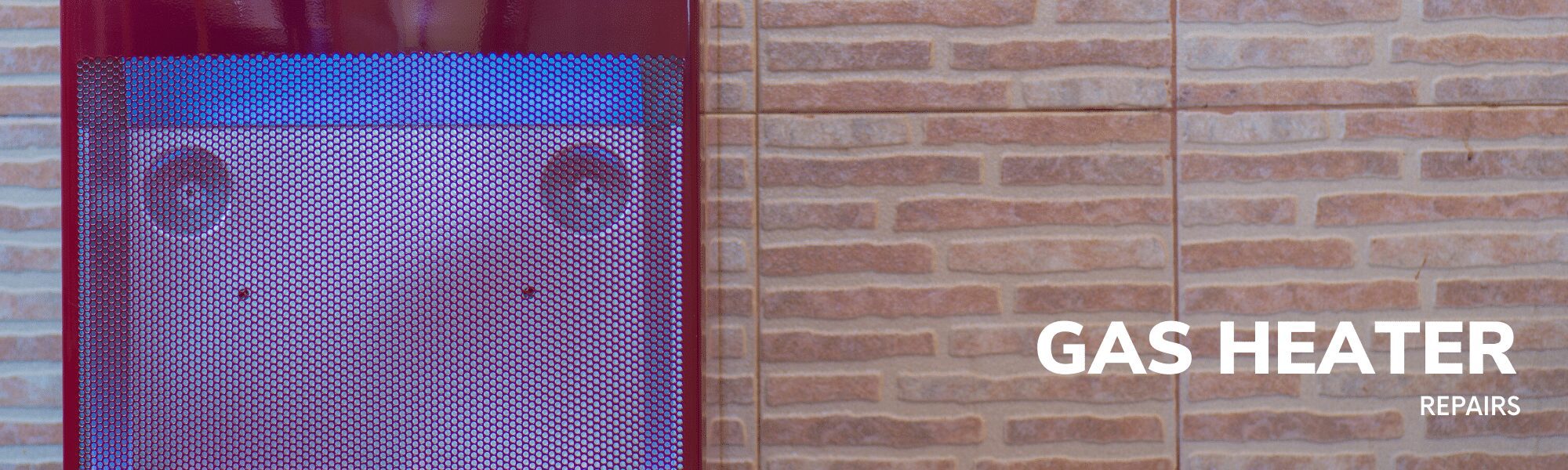
Gas Heater Repairs
Benoni Gas Stop Gas Heater Repair Centre
Introducing Gas Heater Repairs in Benoni by Gas Stop Benoni. With the rain over the past few days and drop in temperature. We start pulling out our gas heaters and turning them on for the first time in months. This is where the problems start. If your gas heater hasn’t gotton used for at least 6-7 months, a lot can happen to it. There are some problems that. If not fixed, could not only stop your heater from working but could also be dangerous. Now we’re ready for a lot of heaters to come into our workshop. For maintenance and safety checks to make sure everything is working as it should. This will make sure that your Gas Heater works well and safely.
Gas Heaters Are Still The Most Effecient Way To Heat Your Home
The 3-Panel Gas Heater is an efficient way to heat your home. Even if it’s one panel, these small heaters can heat a very large room better than almost anything else. Mechanically, they are very simple, which makes them very reliable—as long as you take care of them, of course. Manufacturers recommend that you have your heater serviced once a year. But we usually suggest that you have it serviced every two years. But, a general safety check must get done every year when the heater gets used for the first time. Some of these checks can get done by yourself, while others need special tools and a trained hand.
It’s sad and disappointing to know that Gas Heaters. Cause so many gas-related accidents. But it’s even more disappointing to know that almost all these accidents. Are preventable by having a professional check your heater every year. Remember that because your heater works doesn’t mean that there is nothing wrong with it. Here are some possible problems with your gas heater. Which we have seen many times in our workshop over the years:
Cracked Ceramic Panels
Gas Heater Igniter Repairs
Gas Heater Jet Repairs
Compression Fitting Replacements
Compression Fittings That Leak: The aluminum tubing that links the control valves on your gas heater. At each end, a compression fitting is used to connect the pipe to the gas burners. With a brass nut, these fittings make a seal that keeps gas from leaking. Putting force on the parts so that the two metal surfaces touch. To make an airtight seal. By getting bigger and smaller and not moving.Sometimes, these nuts can get just a little bit loose, which is enough to let gas escape. Most of these holes are hidden behind panels. So gas could build up inside the heater’s body without anyone realizing it. Most leaks are small and don’t cause much trouble. But over time, they will get worse. So, when we service a heater, one of most important safety checks we do is to make sure these fittings don’t leak.
Regulator Replacement
Regulator Fail: The thing at the end of your flexible hose is the regulator. Its job is to control the gas pressure going into the heater, as its name suggests. Most gas appliances in homes use this standard gas pressure of 2.8 kPa. The job of the regulator is to keep the pressure in the cylinder at a steady level that can be used. But regulators can break, and if they do, your gas heater may get the full 600 kPa of pressure from the cylinder. If the pressure on your heater is more than 200 times what it should be, it can be very dangerous. This kind of regulator failure doesn’t happen very often, which is a good thing. Checking it often will let you know if it’s about to break. We can check your regulator’s pressure to make sure it’s putting out the right amount of pressure at a steady rate.
Valve Replacements
Valve failures are rare, but they can happen if the heater isn’t serviced. The most common problem is that the valve gets stuck in the last position it was in. It hard to get stuck valves to open without breaking the brass parts inside. Replacement is also hard because it’s impossible to find the right part for each heater model. Especially if it’s a few years old. This is one of the most common reasons why heaters are “written off”. Because the valves can’t get fixed. But it’s easy to avoid if you keep the heater in good shape and lubricate the valves so they don’t get stuck in the summer.
Hose Replacements
Hoses that don’t work anymore: The orange flexible hose that connects your heater. To the gas cylinder can become brittle and crack over time. Especially if it’s ever left in direct sunlight. If these hoses have cracks or other weak spots, gas could leak out and not be found for a long time.
